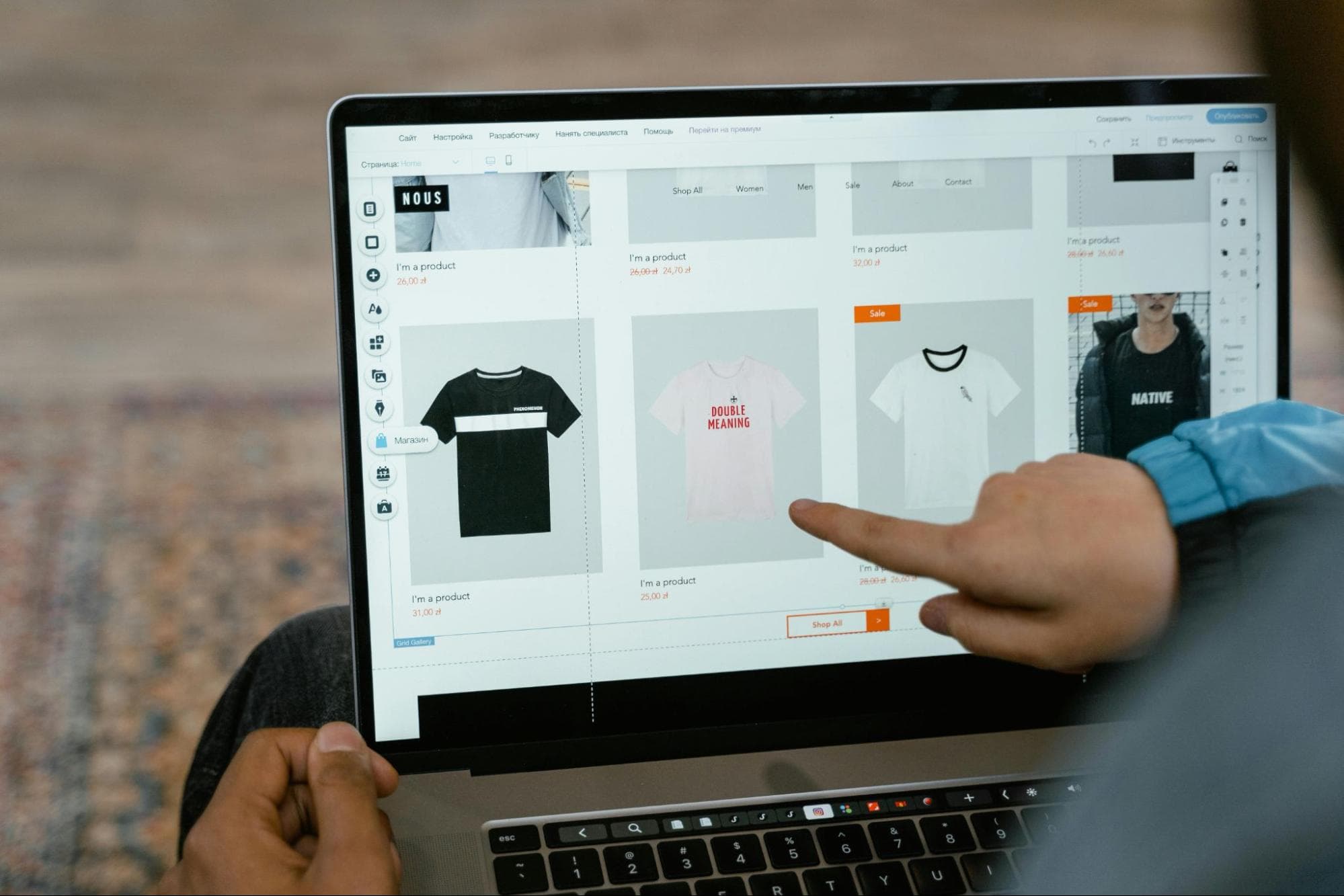

If you are planning to launch a Shopify store in 2026, one of the first questions you will probably ask is: how much does a Shopify website actually cost in the USA?
The short answer is: it depends on your business goals.
Some ecommerce businesses can launch with a relatively small budget using a standard Shopify setup, while others invest thousands of dollars into custom design, advanced functionality, SEO optimization, automation, and conversion-focused development.
One of the biggest misconceptions about Shopify pricing is the idea that the monthly Shopify subscription is the only cost involved. In reality, building a successful ecommerce website requires much more than simply choosing a Shopify plan.
Design, development, apps, integrations, SEO, speed optimization, product organization, analytics, and long-term scalability all play a role in the final cost of a Shopify website.
For businesses targeting the US ecommerce market in 2026, the real question is no longer "How cheap can I build a Shopify store?" but rather "What kind of Shopify store does my business actually need to grow?"
In this guide, we break down the real cost of building a Shopify website in the USA, explain the factors that influence pricing, and help business owners understand what to realistically budget for a modern ecommerce store.
Why Shopify Continues to Dominate Ecommerce in 2026
Shopify remains one of the most trusted ecommerce platforms in the world because it offers the flexibility needed for both startups and scaling brands.
Today, millions of businesses use Shopify to sell products online, manage inventory, process payments, and create customer experiences that work across desktop and mobile devices.
One reason Shopify continues growing rapidly in the US market is because businesses want ecommerce platforms that are scalable without becoming overly technical. Shopify simplifies many aspects of ecommerce management while still allowing brands to customize their stores as they grow.
Modern ecommerce businesses are no longer building websites just to "have an online store." They are building conversion-focused platforms designed to generate sales, improve customer retention, and support long-term brand growth.
This shift has changed how businesses approach Shopify website pricing in 2026.
Average Shopify Website Cost in the USA
The average Shopify website cost in the USA varies depending on the complexity of the project, business goals, and customization requirements.
A startup Shopify store with a basic setup and minimal customization may cost between $250 and $1,500. This is often enough for small businesses launching their first ecommerce website with a standard theme and essential functionality.
For growing ecommerce brands, costs are usually higher. Businesses that require stronger branding, premium design, custom sections, SEO optimization, analytics setup, and app integrations often spend between $2,000 and $10,000 depending on the project scope.
Custom ecommerce brands focused on scaling, improving conversion rates, and building unique shopping experiences can invest $15,000 or more into Shopify development.
Enterprise businesses using Shopify Plus may spend significantly more due to advanced functionality, automation systems, custom checkout experiences, and large-scale integrations.
The biggest pricing difference usually comes down to whether the business wants a basic template-based store or a scalable ecommerce platform designed for long-term growth.
What Actually Affects Shopify Website Pricing?
Several factors influence the cost of building a Shopify website in 2026.
Store Complexity and Custom Features
One of the largest factors is store complexity. A basic ecommerce website with a few products and standard pages requires far less development work compared to a custom Shopify store with advanced functionality.
Businesses that need subscriptions, memberships, advanced filtering, multilingual support, custom product builders, or automation workflows should expect higher development costs due to the additional technical work involved.
Shopify Theme and Design Choices
Design is another major pricing factor. Shopify offers free and premium themes that allow businesses to launch relatively quickly, but many brands eventually invest in custom design to improve branding and customer experience.
Custom Shopify design often includes:
- Tailored layouts
- Custom landing pages
- Advanced mobile optimization
- Conversion-focused UX
- Branded shopping experiences
- Interactive product sections
As ecommerce competition in the USA continues increasing, more businesses are prioritizing custom design because user experience directly impacts conversion rates and customer trust.
Product Volume and Store Structure
Product volume also affects pricing. A store with ten products is much easier to organize than a store with hundreds or thousands of SKUs. Larger product catalogs often require better navigation systems, advanced filtering, collection optimization, and SEO-friendly product structures.
Apps and Third-Party Integrations
Apps and integrations are another important part of Shopify pricing. Most modern ecommerce stores rely on third-party apps for email marketing, customer reviews, subscriptions, analytics, upselling, loyalty programs, and automation.
While apps improve functionality, they can also increase both setup costs and monthly operating expenses.
SEO and Speed Optimization
SEO and speed optimization have also become essential investments in 2026. Businesses targeting competitive ecommerce keywords in the US market often invest in technical SEO, mobile optimization, metadata structure, and performance improvements to improve rankings and conversions.
Real Shopify Website Pricing Examples
The easiest way to understand Shopify pricing is by looking at realistic business scenarios.
Startup Shopify Store
A startup ecommerce business launching a simple Shopify store may only require a basic setup with a premium theme, a few standard pages, and essential product uploads. In many cases, businesses with prepared branding assets can launch relatively affordably.
Small Business Ecommerce Website
Small businesses entering ecommerce often require more customization. Many invest in premium themes, stronger branding, SEO setup, analytics integration, and better mobile responsiveness to create a more professional shopping experience.
Mid-Size Ecommerce Brand
Growing ecommerce brands usually focus more heavily on conversion optimization and scalability. These businesses often require custom landing pages, advanced integrations, automation systems, and UX improvements designed to increase average order value and customer retention.
Shopify Plus Enterprise Store
Enterprise ecommerce stores require far more advanced development. Businesses operating at scale often invest in Shopify Plus, custom workflows, international ecommerce systems, and high-performance infrastructure designed for long-term growth.
The important thing to understand is that Shopify website pricing is not simply about design. It is about building an ecommerce system that matches the business stage and growth goals.
Hidden Shopify Costs Businesses Often Ignore
One of the most common mistakes businesses make is only budgeting for the initial website launch.
In reality, running a successful Shopify store involves ongoing operational costs that can significantly impact long-term profitability.
Monthly Shopify Subscription Fees
Shopify plans come with recurring monthly fees that depend on the tier selected. While the entry-level plan covers most early-stage businesses, growing stores often upgrade to higher tiers to unlock advanced reporting, lower transaction fees, and additional staff accounts.
It's important to factor in these recurring costs when planning a long-term ecommerce budget, since the platform fee is only one part of the total cost of ownership.
Paid Shopify Apps
Paid apps are one of the most overlooked expenses. Many Shopify stores rely on apps for subscriptions, reviews, email marketing, analytics, upselling, loyalty systems, and automation. While each app may seem affordable individually, monthly costs can increase quickly as businesses scale.
Marketing and Advertising Costs
Marketing is another major ongoing investment. Ecommerce traffic does not happen automatically after launching a Shopify store. Businesses often invest heavily into SEO, Google Ads, Meta Ads, email campaigns, influencer marketing, and content creation to attract customers in competitive markets.
Maintenance and Performance Updates
Maintenance and optimization are also important. Shopify stores require regular updates to maintain speed, mobile usability, app compatibility, and overall performance. Businesses that ignore maintenance often experience slower websites, lower conversion rates, and poor user experience over time.
This is why many ecommerce businesses eventually move from short-term development decisions toward long-term growth-focused ecommerce strategies.
Freelancer vs Shopify Agency: Which Is Better?
One of the biggest decisions businesses face when building a Shopify website is whether to hire a freelancer or work with a Shopify agency.
Hiring a Shopify Freelancer
Freelancers can be a good option for smaller projects, quick edits, or businesses with limited budgets. They usually offer lower upfront pricing and flexible communication.
However, freelancers may have limitations when it comes to scalability, long-term support, and handling larger ecommerce projects that require expertise across design, SEO, CRO, development, and automation.
Working with a Shopify Agency
Shopify agencies typically provide a more structured process. Agencies often include designers, developers, strategists, and ecommerce specialists working together to create scalable online stores designed for long-term growth.
Which Option Is Better for Long-Term Growth?
For businesses serious about ecommerce growth in the USA market, agencies often provide stronger long-term value because they focus not only on launching the website but also on improving performance, scalability, and conversion optimization over time.
Why Businesses Are Investing More Into Shopify in 2026
The ecommerce industry has become significantly more competitive over the last few years.
Customers now expect:
- Fast-loading websites
- Mobile-first experiences
- Smooth checkout flows
- Personalized shopping experiences
- Strong branding
- Trust-building design
Because of this, businesses are investing more into professional Shopify development instead of relying solely on basic templates and low-cost setups.
In 2026, a Shopify website is no longer just an online storefront. It is a core part of the company's sales and marketing infrastructure.
Mobile-First Ecommerce Growth
More than half of US ecommerce traffic now comes from mobile devices. Stores that are not optimized for mobile experience lose conversions before customers even reach checkout. This has pushed brands to invest in mobile-first design, lightweight assets, and streamlined navigation built specifically for smaller screens.
Conversion-Focused Design Trends
Modern Shopify stores are designed around buyer psychology, not just aesthetics. Clear product hierarchy, persuasive copy, social proof, and trust signals are now standard expectations. Businesses willing to invest in conversion-focused design consistently outperform stores that only focus on visuals.
Automation and AI Integration
Automation and AI tools are reshaping how Shopify stores operate. From personalized product recommendations and AI-powered search to automated email flows and inventory management, modern ecommerce brands are using these tools to reduce manual work and improve the customer experience at scale.
Businesses that invest strategically into SEO, branding, speed optimization, and conversion-focused development are usually the ones generating stronger long-term ecommerce growth.
Is Shopify Worth It for Small Businesses?
For most small businesses in the USA, Shopify is absolutely worth the investment. It removes much of the technical complexity that comes with building an ecommerce store from scratch, while still offering the flexibility to grow into a high-performance brand.
The key is to align your Shopify investment with your business stage. A new store does not need enterprise-level features, and a scaling brand should not be limited by a low-budget template setup.
When approached strategically, Shopify gives small businesses the same level of professionalism, performance, and scalability that larger ecommerce brands rely on — without requiring a custom-built platform.
Conclusion
The real Shopify website cost in the USA in 2026 depends on your business goals, ecommerce strategy, customization requirements, and long-term growth plans.
Some businesses can launch successfully with a relatively small budget, while others require larger investments into custom design, advanced integrations, automation, and conversion optimization.
The most important thing is not building the cheapest Shopify store possible. The goal is building an ecommerce website that supports growth, improves customer experience, strengthens your brand, and increases revenue over time.
At NAVEGaid, we help startups, small businesses, and growing ecommerce brands build scalable Shopify websites designed for real business growth. From custom Shopify development and SEO optimization to speed improvements and conversion-focused ecommerce strategy, our team helps businesses create modern online stores built for long-term success in the competitive US ecommerce market.
Ready to plan your Shopify investment with clarity? Book a free consultation with our team and get an honest, tailored breakdown of what your ecommerce store actually needs to grow.